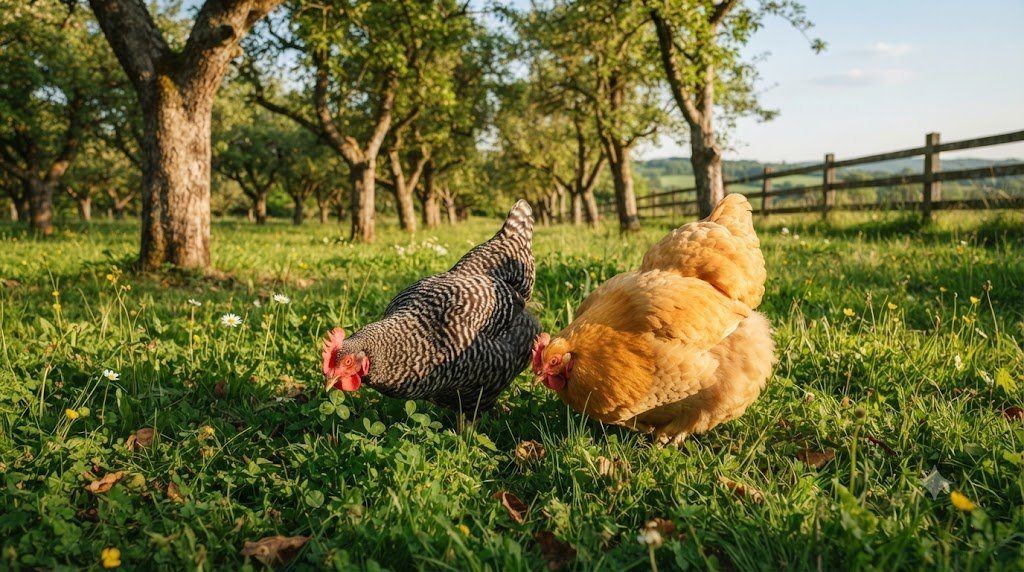

Egg-Laying Chicken Breeds and Production Hybrids: Shell Quality, Clutch Persistence, and Feed Efficiency of Leghorn, Australorp, and ISA Brown
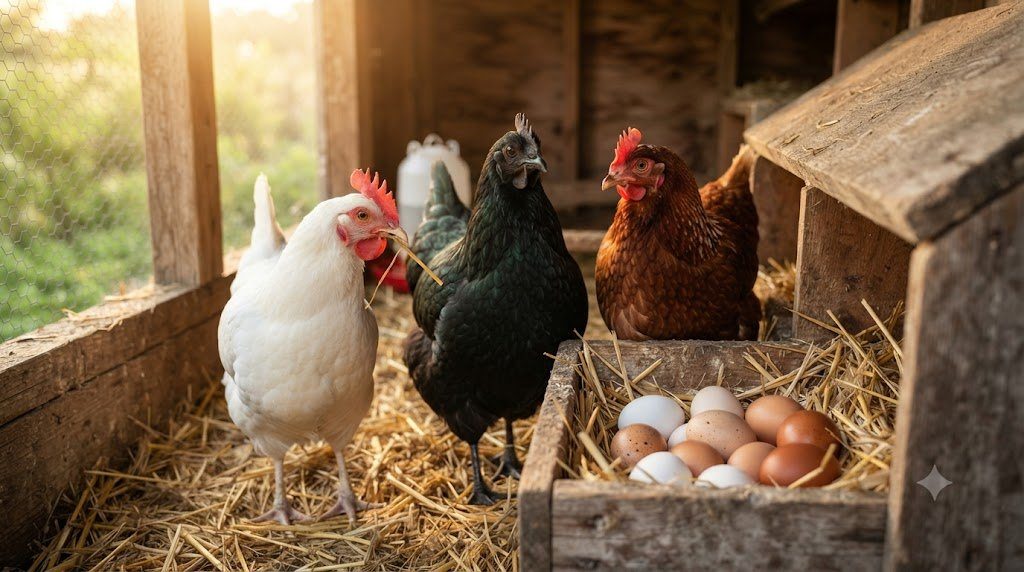
Commercial and heritage egg-laying chicken breeds—ranging from the industrial Single-Comb White Leghorn and four-way commercial Sex-Link Hybrids (ISA Brown, Lohmann Brown, Hy-Line W-36, Golden Comet, Black Star) to high-production heritage layers (Rhode Island Red, Australorp, Sussex) and polychromatic colored-egg specialists (Ameraucana, Cream Legbar, and French Black Copper Marans)—form one of the most genetically refined sectors … Read more
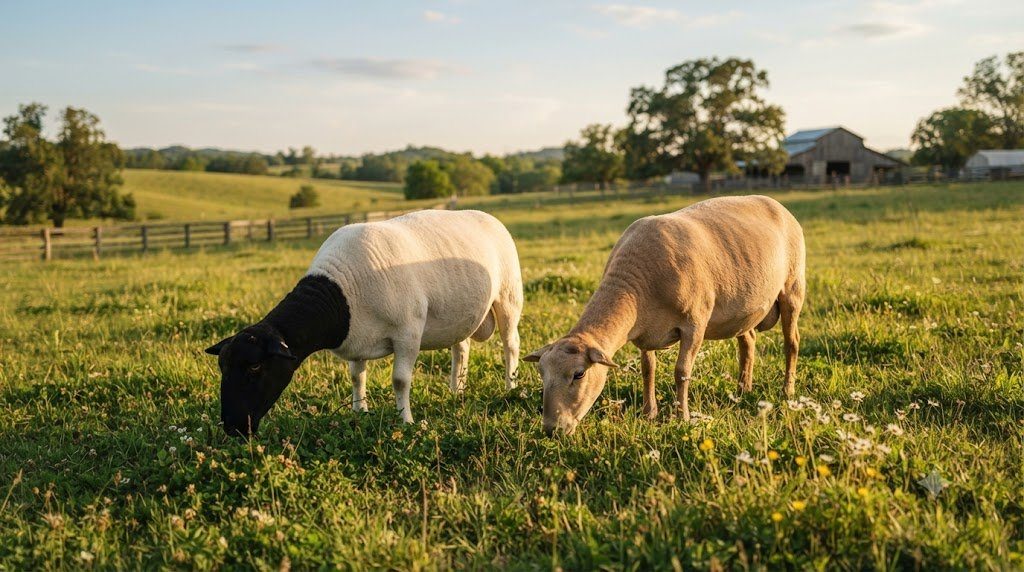
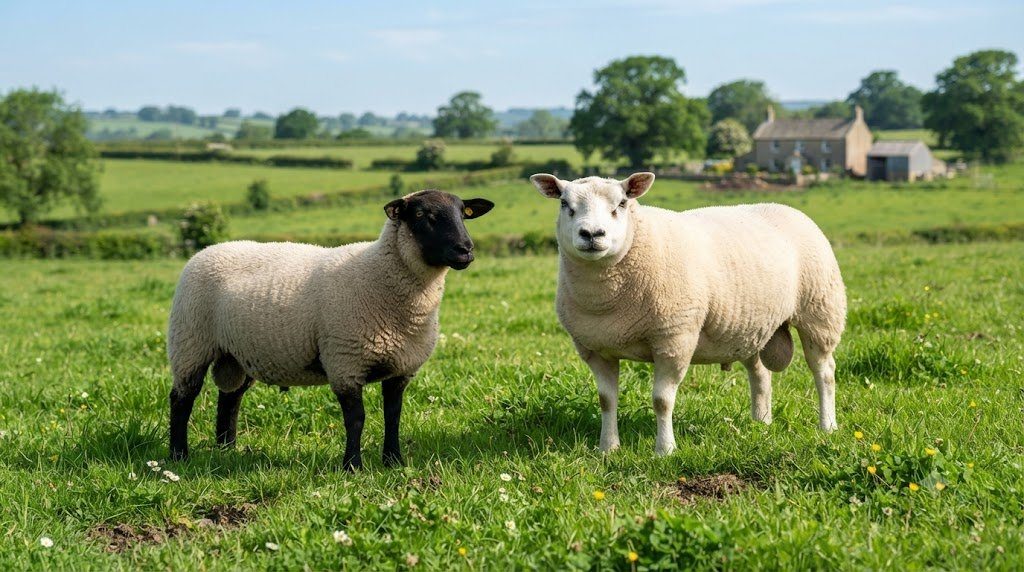
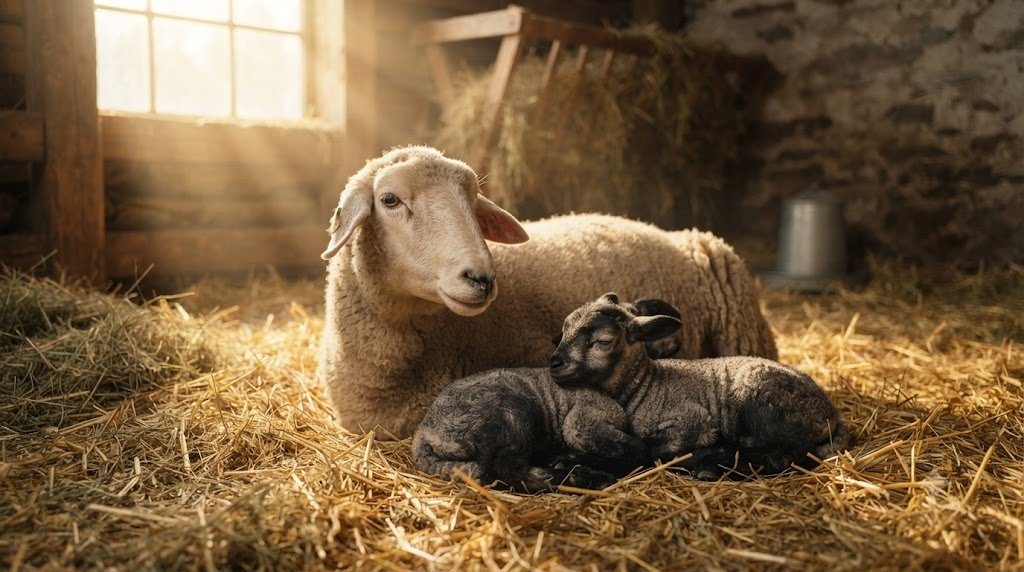
Hair Sheep Breeds: Parasite Resistance, Easy-Care Grazing, and Meat Conformation of Katahdin, Dorper, and St. Croix

Self-shedding hair sheep breeds—led by the American Katahdin, the South African Dorper and White Dorper, the Caribbean St. Croix and Barbados Blackbelly, and the composite Royal White—represent the fastest-growing segment of the global ovine industry. Unlike wooled sheep whose secondary follicles grow continuous wool fibers requiring annual mechanical shearing and tail docking, hair sheep retain … Read more

Terminal Meat Sheep Breeds: Carcass Yield, Muscling, and Lambing Vigour of Suffolk, Hampshire, Texel, and Dorset

Terminal meat sire and British/Continental Down sheep breeds—led by the Suffolk, Hampshire, Dutch Texel, Polled Dorset, Shropshire, and Southdown—serve as the primary muscular growth and carcass-conformation drivers of the global lamb industry. When terminal rams are crossed onto prolific maternal white-faced or hair ewes, their hybrid offspring exhibit explosive post-weaning Average Daily Gain (ADG exceeding … Read more

Fine Wool Sheep Breeds: Micron Measurements, Fleece Architecture, and Grazing Performance of Merino, Rambouillet, and Targhee

Fine-wool and dual-purpose range sheep breeds—led by the Australian and Spanish Merino, the French/American Rambouillet, the New Zealand Corriedale, and the USDA-developed Targhee and Columbia—form the foundation of global apparel textile wool production and extensive Western rangeland sheep ranching. Evolved to thrive in semi-arid basins, alpine meadows, and rugged sagebrush steppes, these breeds combine extraordinary … Read more

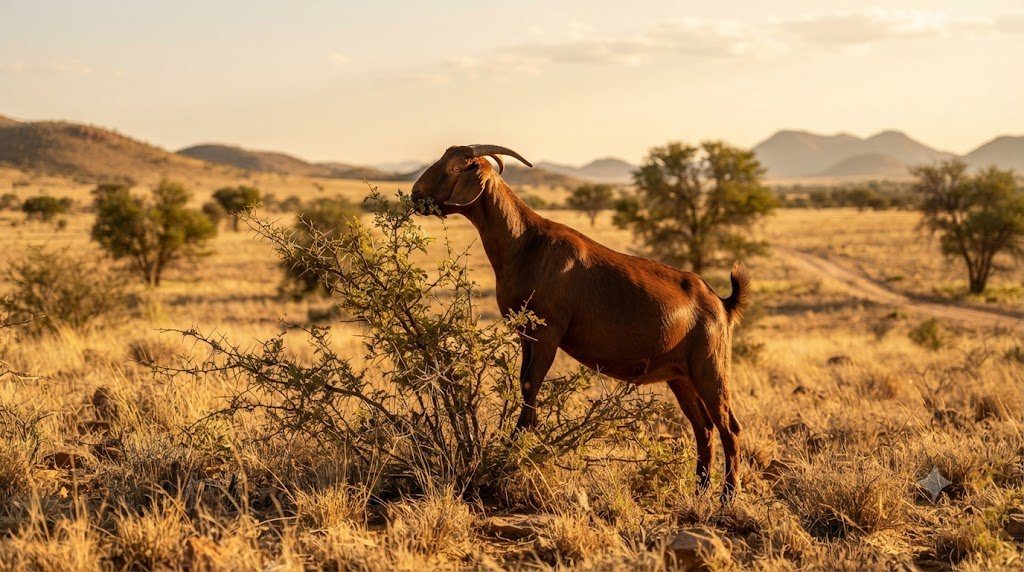
Heritage and Adaptive Rangeland Goats: Desert Hardiness, Maternal Instincts, and Foraging Prowess of Kalahari Red and Island Landraces

Beyond mainstream commercial dairy and meat breeds lies an extraordinary genetic reservoir of heritage, island landrace, and desert-adapted goat breeds—including the South African Kalahari Red, the critically endangered San Clemente Island, Arapawa Island, and Fainting / Myotonic heritage lines, the Middle Eastern Damascus (Shami), and the Oberhasli / Golden Guernsey. These populations harbor irreplaceable evolutionary … Read more

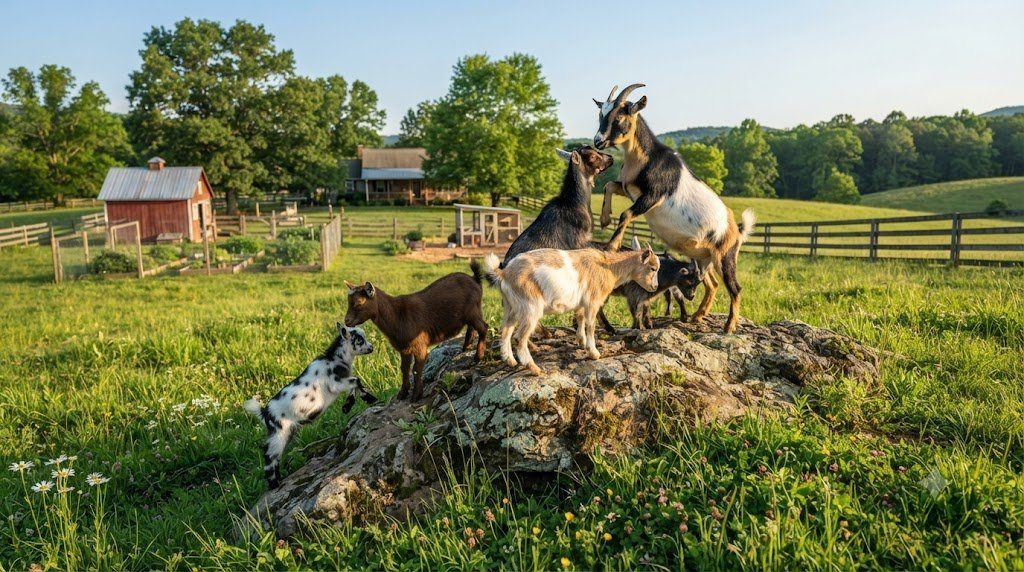
Miniature and Homestead Goat Breeds: Butterfat Efficiency, Management, and Conformation of Nigerian Dwarf, Pygmy, and Kinder

Miniature and specialty composite goat breeds—anchored by the high-butterfat Nigerian Dwarf, the cobby meat-type African Pygmy, the dual-purpose Kinder, and the experimental Mini-Dairy registries (Mini-Nubian, Mini-LaMancha, Mini-Alpine, and Mini-Saanen)—have evolved from novelty pets into serious small-acreage dairy and homestead meat producers. Originating from the trypanotolerant West African Dwarf (WAD) landrace population of coastal and equatorial … Read more

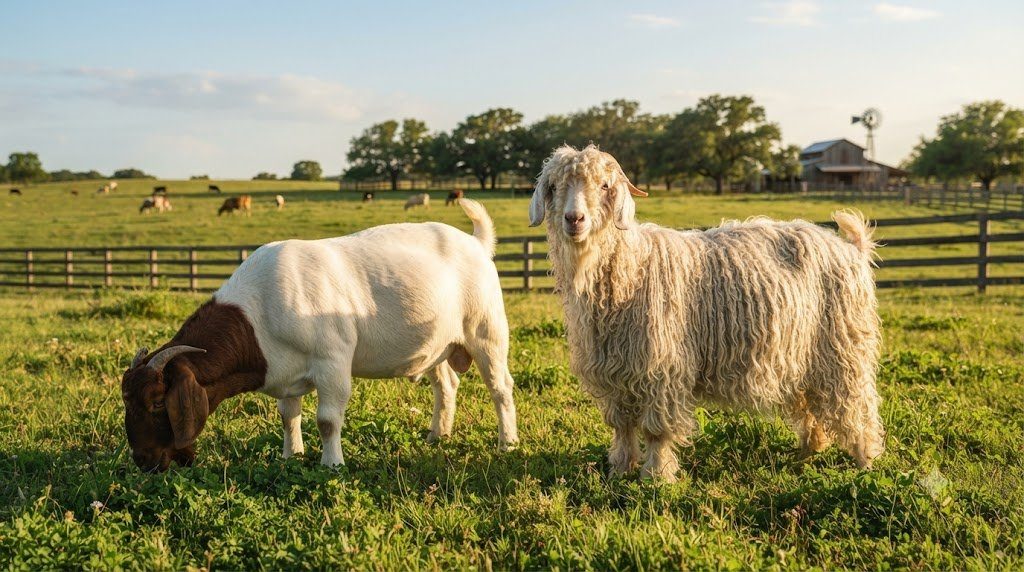
Meat and Fiber Goat Breeds: Carcass Conformation, Hardiness, and Fleece Quality of Boer, Kiko, Spanish, and Angora

Commercial meat and fiber goat production represents one of the fastest-growing livestock sectors worldwide, driven by surging consumer demand for lean chevon (goat meat), sustainable brush biological control, and luxury natural textile fibers (mohair and cashmere). While the muscular South African Boer and white Savanna dominate show rings and terminal carcass conformation, hardy maternal range … Read more

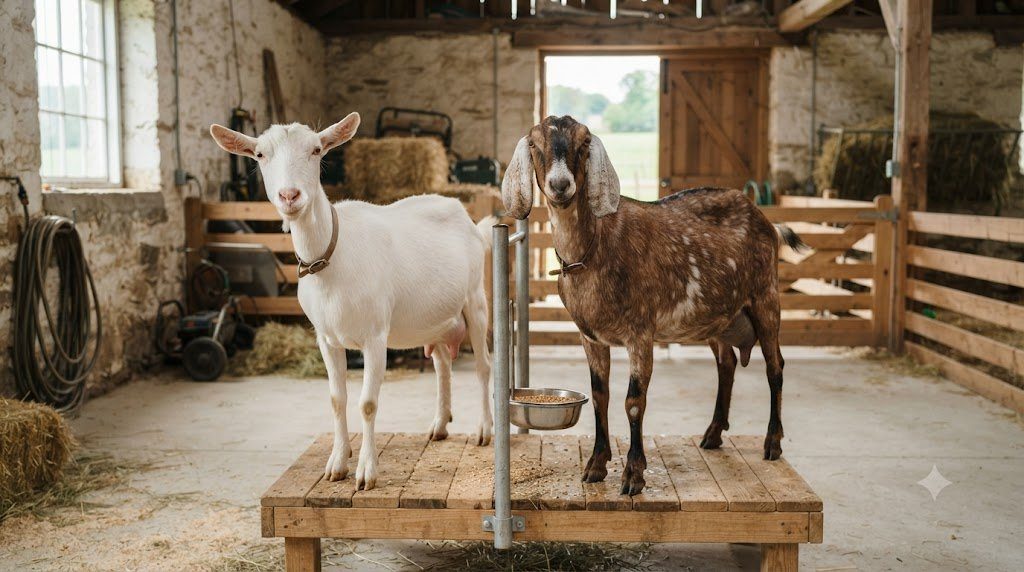
Commercial Dairy Goat Breeds: Milk Volume, Butterfat Yields, and Udder Conformation of Saanen, Alpine, and Nubian

Commercial dairy goat breeds—led by the Swiss-origin Saanen, French Alpine, Toggenburg, and Oberhasli alongside the Anglo-Nubian and American LaMancha—drive a rapidly expanding global industry for fluid caprine milk, artisanal chèvre, aged hard cheeses, and hypoallergenic infant formula. Caprine lactation physiology differs fundamentally from bovine dairy production, characterized by apocrine mammary secretion, higher medium-chain triglyceride (MCT) … Read more

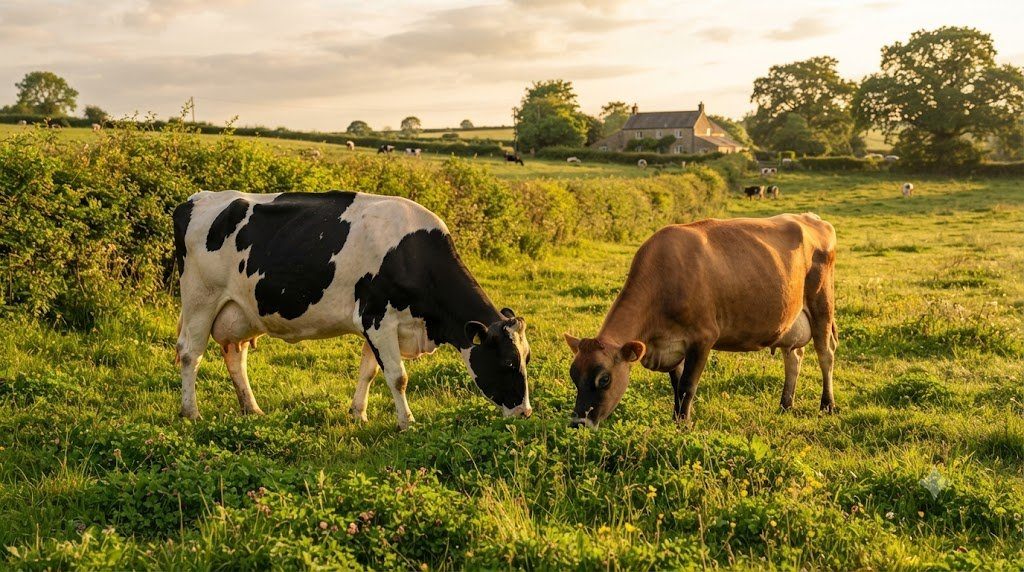
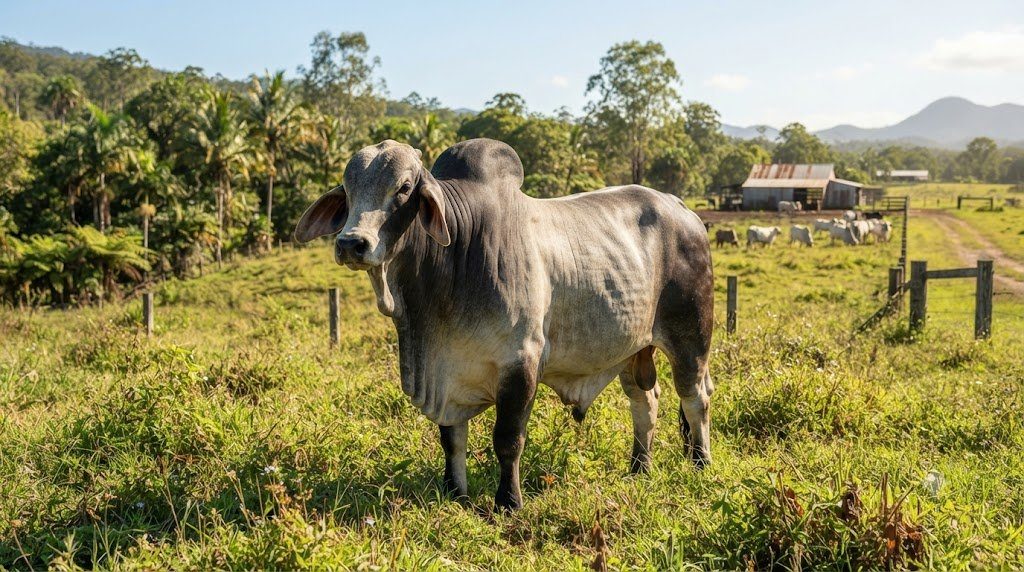
Dairy Cattle Genetics: Milk Yield, Butterfat Profiles, and Longevity of Holstein, Jersey, and Brown Swiss

Commercial dairy cattle breeds—anchored by Holstein-Friesian, Jersey, Brown Swiss, Guernsey, and Ayrshire—represent the pinnacle of quantitative genomic selection for metabolic lactation efficiency and milk component synthesis. Over the past half-century, intensive selection utilizing Net Merit (NM$), Fluid Merit (FM$), and Cheese Merit (CM$) bio-economic indices, combined with 50K SNP genomic testing of neonatal heifers, has … Read more

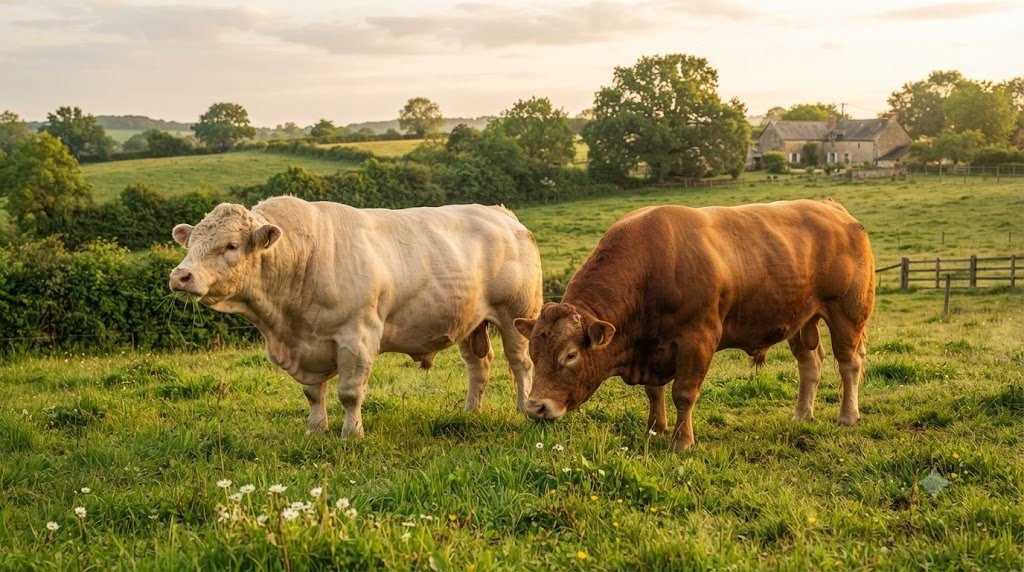
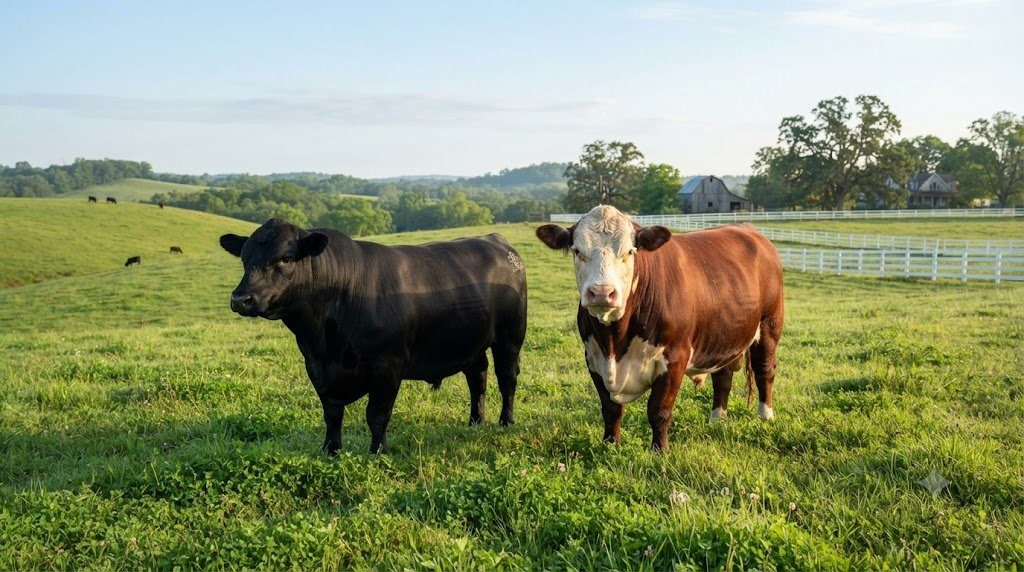
Continental Beef Breeds: Muscle Conformation, Terminal Sires, and Growth Rates of Charolais, Simmental, and Limousin

Continental European beef cattle breeds—led by Charolais, Simmental, Limousin, and Gelbvieh—represent the high-octane terminal growth and lean red-meat yield engines of modern beef production. Originating in the agricultural valleys and alpine plateaus of France, Switzerland, and Germany, these large-framed Bos taurus breeds were historically selected as triple-purpose draft, meat, and milk animals before undergoing intensive … Read more

About BreedAtlas

About BreedAtlas

BreedAtlas is your comprehensive encyclopedia of global livestock and equine breeds. We document pedigree origins, skeletal conformation, marbling and lactation genetics, fiber micron profiles, and environmental adaptability across cattle, goats, sheep, heritage poultry, and horses.

Learn More →
Expert Advice Herdbook Standards
Conformation & Traits Production Genetics
Global Breed Profiles Verified Pedigrees