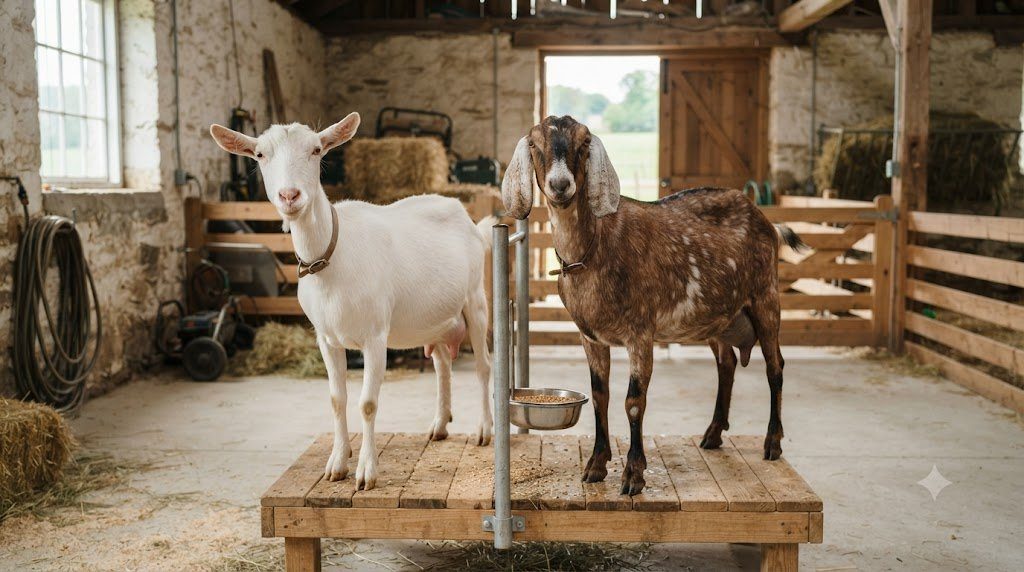
Heritage and Adaptive Rangeland Goats: Desert Hardiness, Maternal Instincts, and Foraging Prowess of Kalahari Red and Island Landraces
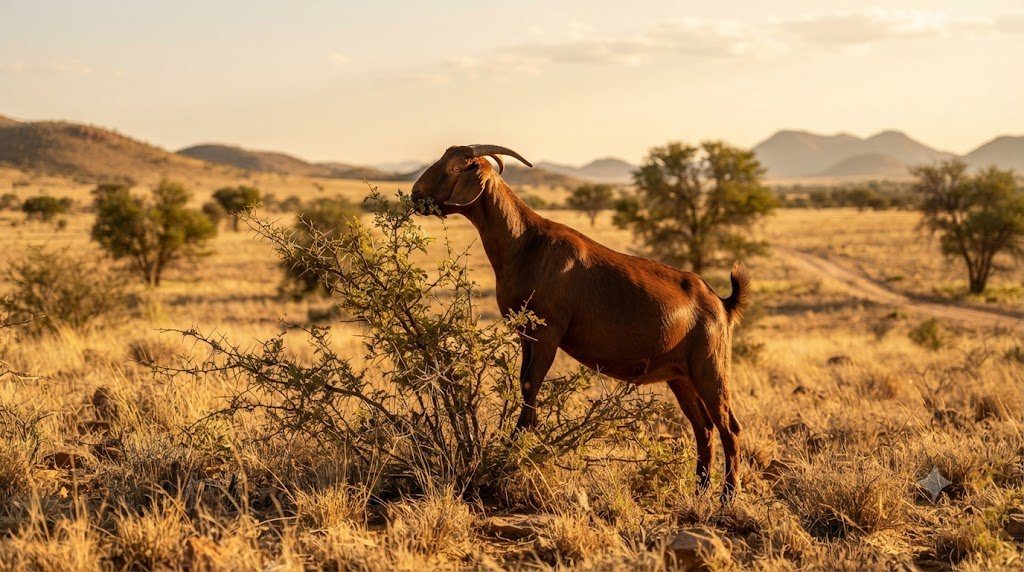
Beyond mainstream commercial dairy and meat breeds lies an extraordinary genetic reservoir of heritage, island landrace, and desert-adapted goat breeds—including the South African Kalahari Red, the critically endangered San Clemente Island, Arapawa Island, and Fainting / Myotonic heritage lines, the Middle Eastern Damascus (Shami), and the Oberhasli / Golden Guernsey. These populations harbor irreplaceable evolutionary … Read more

Miniature and Homestead Goat Breeds: Butterfat Efficiency, Management, and Conformation of Nigerian Dwarf, Pygmy, and Kinder

Miniature and specialty composite goat breeds—anchored by the high-butterfat Nigerian Dwarf, the cobby meat-type African Pygmy, the dual-purpose Kinder, and the experimental Mini-Dairy registries (Mini-Nubian, Mini-LaMancha, Mini-Alpine, and Mini-Saanen)—have evolved from novelty pets into serious small-acreage dairy and homestead meat producers. Originating from the trypanotolerant West African Dwarf (WAD) landrace population of coastal and equatorial … Read more

Meat and Fiber Goat Breeds: Carcass Conformation, Hardiness, and Fleece Quality of Boer, Kiko, Spanish, and Angora

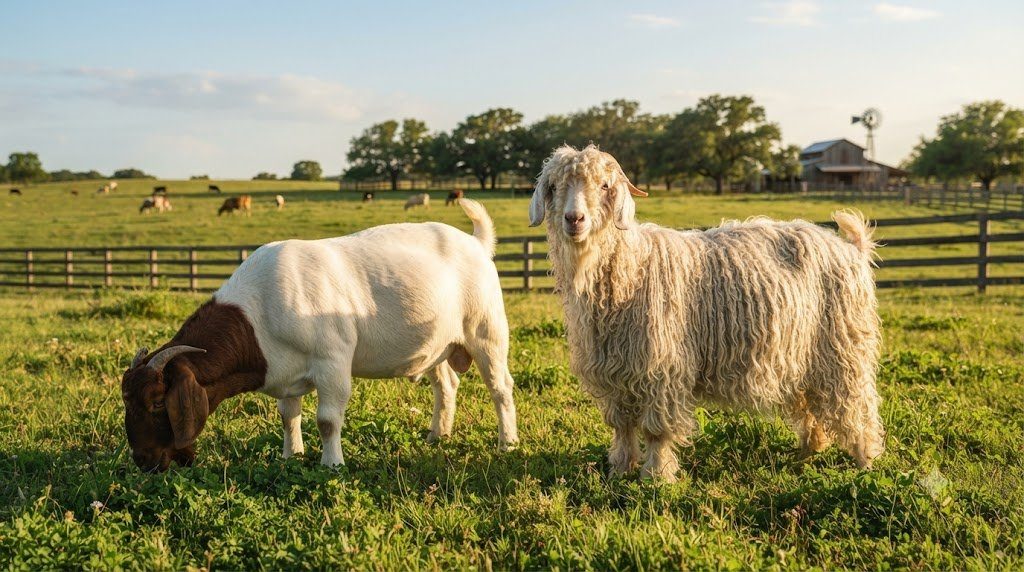
Commercial meat and fiber goat production represents one of the fastest-growing livestock sectors worldwide, driven by surging consumer demand for lean chevon (goat meat), sustainable brush biological control, and luxury natural textile fibers (mohair and cashmere). While the muscular South African Boer and white Savanna dominate show rings and terminal carcass conformation, hardy maternal range … Read more

Commercial Dairy Goat Breeds: Milk Volume, Butterfat Yields, and Udder Conformation of Saanen, Alpine, and Nubian

Commercial dairy goat breeds—led by the Swiss-origin Saanen, French Alpine, Toggenburg, and Oberhasli alongside the Anglo-Nubian and American LaMancha—drive a rapidly expanding global industry for fluid caprine milk, artisanal chèvre, aged hard cheeses, and hypoallergenic infant formula. Caprine lactation physiology differs fundamentally from bovine dairy production, characterized by apocrine mammary secretion, higher medium-chain triglyceride (MCT) … Read more